



.png)
PRACTICAL KNOWLEDGE
Electronic loads and their applications in modern power electronics testing
This article explains how an electronic load works, the measurements it performs, and its main areas of application.
Read article
Automotive wiring harnesses and connectors are found in almost every area of a vehicle. They connect various electrical components and electronic systems within the vehicle and transmit electrical signals.
The quality of the contact connections of vehicle wiring harnesses and connectors has a direct impact on the reliable function of the vehicle as well as on the safety of the driver and passengers.
With the continuous development of automotive electronics, the demands on connectors are also increasing. They must be more flexible, offer higher insulation performance, and ensure optimal conditions for signal transmission within the wiring harness.
Vehicle wiring harnesses and connectors must be checked for the following parameters:
In addition, certain cable harness components must also be checked for the following component properties:
The following properties are checked using high-precision voltage and current sources as well as appropriate measurement methods:
During production and testing, vehicle wiring harnesses can be briefly interrupted by frequent movements or vibrations.
These intermittent interruptions must be reliably detected. This requires an extremely high sampling rate . 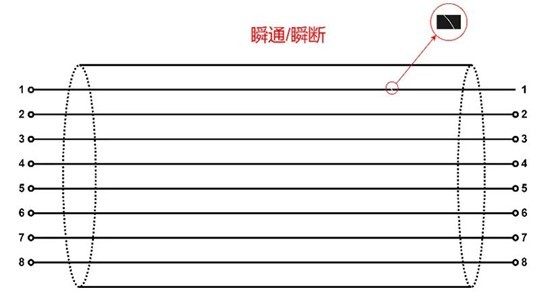
With the increasing prevalence of electric vehicles (EVs) and the further development of high-voltage technology, battery systems of modern vehicles reach voltages of over 1000 V.
Therefore, safety and reliability are crucial factors in automotive wiring harnesses and connectors.
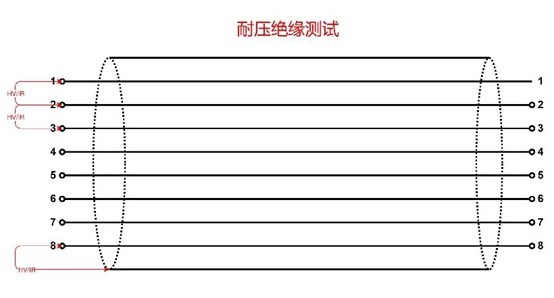
Cable harnesses and connectors must therefore be regularly checked for the following properties:
CONTINUE EXPLORING
PRACTICAL KNOWLEDGE
This article explains how an electronic load works, the measurements it performs, and its main areas of application.
Read articlePRACTICAL KNOWLEDGE
Practical application note for DC link capacitors, filters and SiC/GaN power electronics.
Read articlePRACTICAL KNOWLEDGE
This This guide will help you to perform correct and reliable high-resistance and microcurrent tests.
Read articleFROM READING TO YOUR PROJECT
Describe your signal, interface or test objective. Our team can help you assess the equipment and next steps.