



Selecting the right DC electronic load is crucial for accurate power electronics and battery testing. This guide explains key specifications, operating modes like CC, CV, CR, CP, dynamic features, measurement accuracy, and regenerative load options to help engineers make informed decisions.
At a glance
- Selecting the right electronic load requires understanding power, voltage, and current limits.
- Operating modes CC, CV, CR, and CP simulate different real-world load conditions.
- Dynamic loading and electronic load slew rate are critical for transient testing accuracy.
- Battery testing demands low minimum operating voltage and stable programmable loads.
- Regenerative electronic loads improve energy efficiency for high-power applications.

Understanding the Importance of Choosing the Right DC Electronic Load
DC electronic loads are essential instruments for testing power supplies, batteries, and other DC sources by simulating real-world load conditions. Selecting the right load ensures accurate characterization, safe operation, and efficient testing. This article guides engineers through the critical criteria of electronic load selection, focusing on practical and technical considerations.
- Accurate simulation of load conditions for product validation
- Battery discharge and test applications
- Safe and controlled load application for reliable results
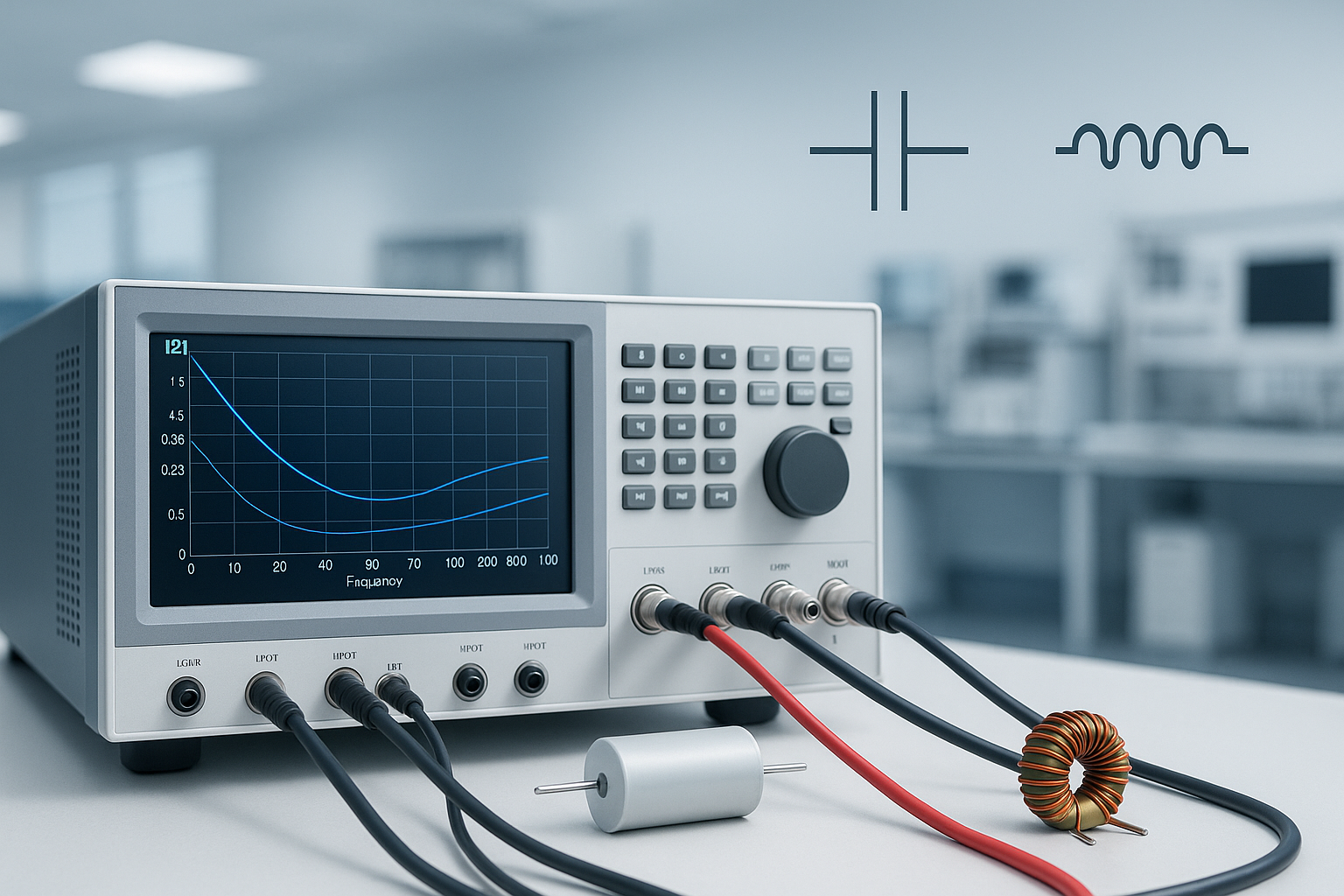
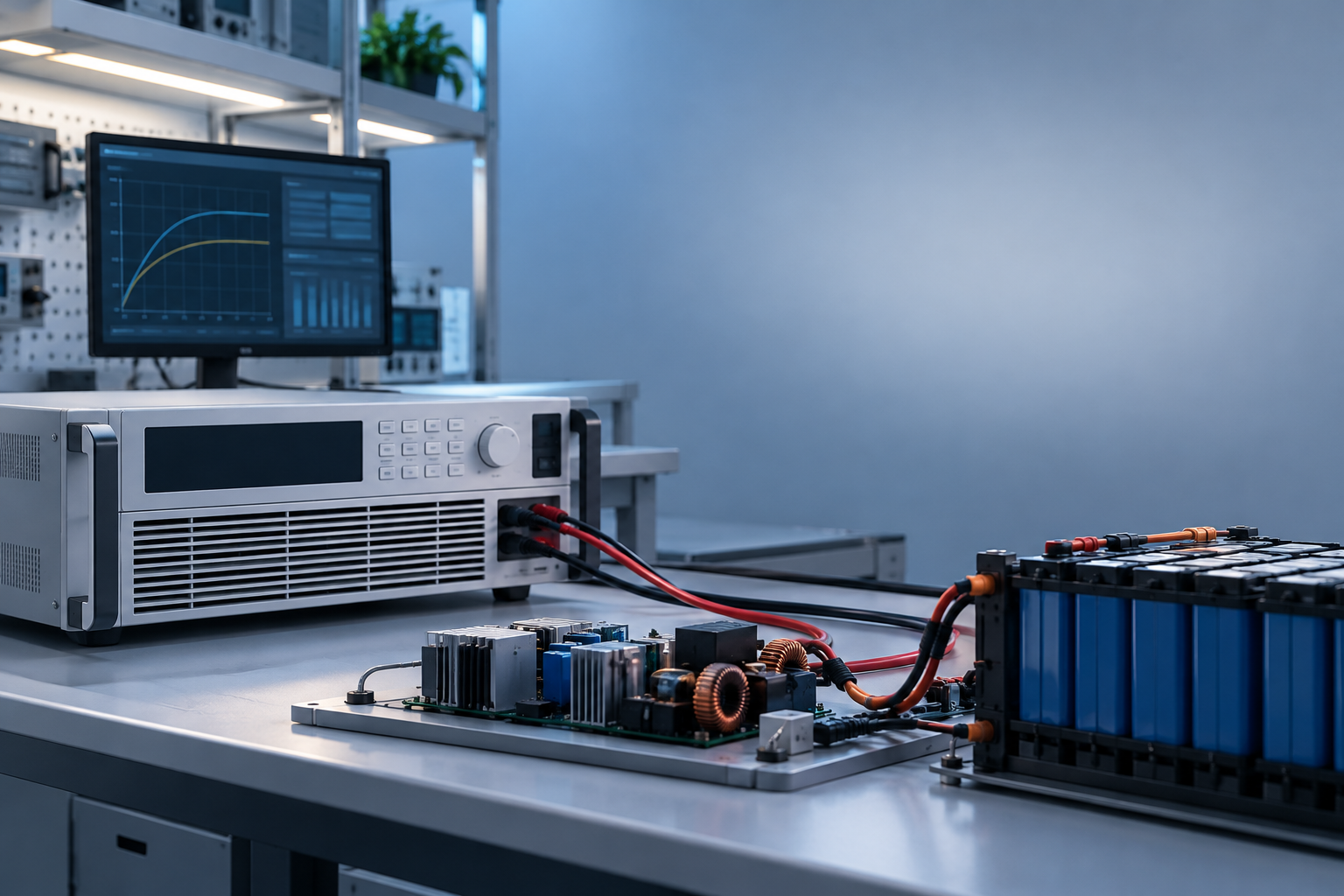
Electronic loads and their applications in modern power electronics testing
Extracting audio data from a USB trace
ACT v2 Connector Modul Bundle: Apple MFi
ACT v2 Connector Modul Bundle: USB Type-C
Key DC Electronic Load Specifications to Consider
Understanding DC electronic load specifications is fundamental. These include power envelope (maximum power dissipation), voltage and current operating limits, and minimum operating voltage electronic load capability. Power envelope must match the application’s maximum load to ensure safe operation. Voltage and current limits define the range within which the load can safely operate. A low minimum operating voltage is crucial for testing low-voltage devices like batteries and fuel cells.
- Power rating and thermal management
- Voltage range and current capacity
- Minimum operating voltage for low-voltage testing
| Model | Max Voltage (V) | Max Current (A) | Min Operating Voltage (V) |
|---|---|---|---|
| Model A | 100 | 20 | 0.5 |
| Model B | 60 | 30 | 0.1 |
| Model C | 150 | 10 | 1.0 |
Operating Modes: CC, CV, CR, and CP Explained
DC electronic loads commonly support four operating modes: Constant Current (CC), Constant Voltage (CV), Constant Resistance (CR), and Constant Power (CP). Each mode simulates different real-world conditions. CC mode draws a fixed current, ideal for battery discharge testing. CV mode holds voltage constant, useful for voltage regulator testing. CR simulates resistive loads with a fixed resistance, and CP keeps the power constant, critical for evaluating power supplies and converters under dynamic load changes.
- CC mode for current stability testing
- CV mode for voltage regulation verification
- CR for resistive load simulation
- CP for power-based testing
| Mode | Characteristic | Application |
|---|---|---|
| Constant Current (CC) | Fixed current draw | Battery testing, LED testing |
| Constant Voltage (CV) | Fixed voltage hold | Power supply regulation, voltage reference testing |
| Constant Resistance (CR) | Fixed resistance emulation | Load simulation, component stress testing |
| Constant Power (CP) | Fixed power consumption | Power converter validation, dynamic load testing |
Dynamic Loading and Electronic Load Slew Rate
Dynamic loading capabilities are vital when testing devices with rapidly changing load conditions. The electronic load slew rate defines how quickly the load current or voltage changes. A high slew rate is essential for simulating transient events and capturing accurate device responses. Programmable DC loads with adjustable slew rates enable tailored tests, enhancing test accuracy for power electronics and battery applications.
- Importance of high slew rate for transient tests
- Programmable control for customized load profiles
- Improved measurement accuracy under dynamic conditions
| Application | Required Slew Rate (A/µs) |
|---|---|
| Battery testing | 0.1 - 1 |
| Power supply transient testing | 1 - 5 |
| High-speed converter testing | 5+ |
Measurement Accuracy and Protection Features
Accurate voltage, current, and power measurements are essential for valid test results. Choose electronic loads with high measurement resolution and accuracy specifications. Protection features such as overvoltage, overcurrent, and thermal shutdown safeguard both the device under test and the load itself during testing. Engineers should evaluate the load’s protection mechanisms to prevent damage and ensure reliable operation.
- High-resolution voltage and current measurement
- Built-in overvoltage and overcurrent protection
- Thermal management and shutdown features
| Specification | Typical Accuracy |
|---|---|
| Voltage accuracy | ±0.05% |
| Current accuracy | ±0.1% |
| Power accuracy | ±0.15% |
Special Considerations for Electronic Load Battery Testing
Battery testing demands specific electronic load characteristics, including low minimum operating voltage electronic load capability and stable CC mode operation to simulate discharge cycles accurately. The load should support programmable sequences and data logging for detailed battery performance analysis. Careful attention to ripple, noise, and transient response is crucial to obtain valid battery discharge profiles.
- Low minimum operating voltage for full battery discharge
- Stable CC mode for accurate capacity measurement
- Programmable load profiles for complex testing
| Requirement | Description |
|---|---|
| Low minimum voltage | To fully discharge cells without cutoff |
| High current stability | Ensures consistent current throughout discharge |
| Programmability | Enables custom test sequences and diagnostics |
Interfaces and Automation Capabilities
Modern electronic loads feature various interfaces like USB, LAN, GPIB, and RS232 for remote control and integration into automated test systems. Automation capabilities, including SCPI command support and programmability, allow engineers to design complex test sequences and improve repeatability. Consider the software ecosystem and compatibility with your lab infrastructure when selecting the load.
- Common communication interfaces
- SCPI command support for automation
- Compatibility with lab software and hardware
| Interface | Typical Use |
|---|---|
| USB | Direct PC control |
| LAN (Ethernet) | Remote network control |
| GPIB | Legacy instrumentation networks |
| RS232 | Serial device communication |
When to Consider Regenerative Electronic Loads
Regenerative electronic loads can feed energy back into the power source, improving test system efficiency and reducing heat dissipation. They are worth considering when testing high-power sources, renewable energy components, or systems requiring energy recovery. Evaluate if your application benefits from the higher initial investment and complexity of regenerative loads versus simpler conventional loads.
- Energy recovery to power grid or source
- Reduced cooling requirements
- Ideal for high-power and renewable energy testing
| Feature | Benefit | Consideration |
|---|---|---|
| Energy regeneration | Improves energy efficiency | Higher cost and complexity |
| Reduced heat dissipation | Less cooling needed | System design simplification |
| Bidirectional operation | Supports reverse power flow | Requires specific control software |
Frequently asked questions
What is the minimum operating voltage in an electronic load and why is it important?
The minimum operating voltage is the lowest voltage at which the electronic load can accurately operate and maintain control. It is especially important for testing low-voltage devices like batteries and fuel cells to ensure reliable readings without the load dropping out.
What are the main operating modes of a DC electronic load?
The four main operating modes are Constant Current (CC), Constant Voltage (CV), Constant Resistance (CR), and Constant Power (CP). Each mode serves different test scenarios, such as battery discharge in CC mode or voltage regulation testing in CV mode.
Why is dynamic loading and slew rate critical in electronic loads?
Dynamic loading and slew rate define how quickly the electronic load can change its current or voltage, which is crucial for simulating transient events, capturing device responses accurately, and avoiding test artifacts in power electronics and battery evaluations.
When should I consider using a regenerative electronic load?
Regenerative electronic loads are beneficial when testing high-power sources, renewable energy components, or systems where energy recovery improves efficiency and reduces heat dissipation. They are more complex and costly but offer long-term savings and enhanced measurement fidelity.
How important is measurement accuracy in an electronic load?
Measurement accuracy is vital to ensure that voltage, current, and power readings reflect true device behavior. High accuracy minimizes test errors, supports product validation, and ensures compliance with design specifications and standards.
Can I automate tests with electronic loads?
Yes, many modern electronic loads support automation via interfaces like USB, LAN, GPIB, and protocols including SCPI commands. This enables remote control, complex test sequences, and integration into automated test systems.




.png)